
Raipur, India – In a significant advisory issued on July 3, 2026, the Chhattisgarh government has strongly urged farmers to prioritize Direct Seeded Rice (DSR) over the traditional transplanting method for paddy cultivation. The push comes amid growing concerns over rainfall uncertainty driven by El Niño, depleting groundwater levels, and a persistent shortage of agricultural labour. As one of India’s major paddy-producing states, Chhattisgarh’s move highlights the urgent need for sustainable farming practices in the face of climate change and resource constraints.
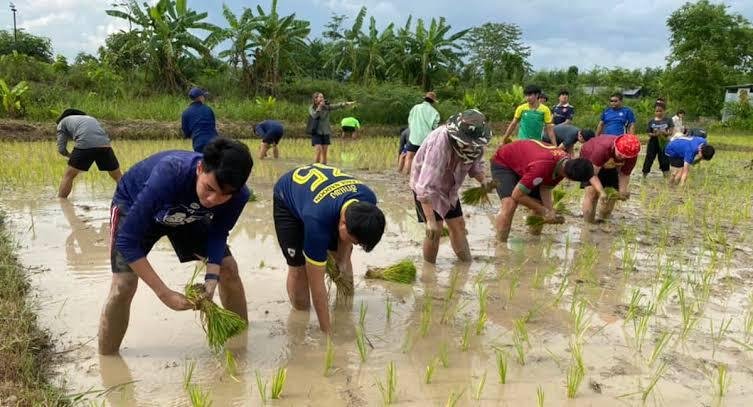
Direct Seeded Rice involves planting seeds directly into the soil, either manually or with machines, bypassing the nursery and transplanting stages. While this method was historically common, the advent of assured irrigation and the Green Revolution led to a widespread shift towards transplanting, which involves growing seedlings in a nursery before planting them in flooded fields. This traditional method, however, is highly water-intensive, requiring approximately 2,500 to 3,000 litres of water to produce one kilogram of rice. In contrast, the government’s advisory highlights that DSR can save up to 20% water, reduce cultivation costs by about ₹5,000 per acre, and allow the crop to mature 12–15 days earlier.
Despite these clear benefits, the adoption of DSR in Chhattisgarh remains low, particularly when compared to states like Punjab and Haryana. Experts point to several challenges. Mechanization is a key barrier, as equipment such as super seed drills and laser levellers, which are essential for effective DSR, are not widely available or affordable. The high initial cost of around ₹1.5 lakh for the machines discourages small farmers, who constitute the majority in the state. Additionally, the advisory has come late for some farmers, as land levelling—a prerequisite for DSR—requires time and resources they may not have. Furthermore, while new-generation herbicides and herbicide-tolerant rice varieties have improved weed management, many farmers remain hesitant to transition from familiar practices.
The advisory is particularly significant for Chhattisgarh, where paddy is a cornerstone of the economy and livelihoods. With nearly 25.24 lakh registered farmers and over half the population dependent on agriculture, the state procured 141 lakh metric tonnes of paddy during the last Kharif marketing year. However, approximately 75% of the paddy-growing area is rainfed, and groundwater levels are declining due to increased usage. While the government offers a remunerative price of ₹3,100 per quintal, the pressure on water resources is becoming unsustainable. The state’s push for DSR represents a critical step towards balancing productivity with resource conservation, though its success will depend on addressing the practical hurdles farmers face in adopting this method.