
Alternative crops are playing an increasingly important role in Texas agriculture as producers look to diversify their operations and reduce the risks associated with drought, market volatility and failed traditional crops.
According to Texas A&M AgriLife Extension Service agronomist Calvin Trostle, nearly 1 million acres across Texas are planted with alternative crops, including sunflowers, sesame, guar, alfalfa, forage crops and hemp. These crops provide growers with additional planting options and new market opportunities while improving farm resilience.
Trostle said producers who invest time in understanding production practices and marketing strategies can benefit significantly from integrating alternative crops into their farming systems.
Sunflowers Remain a Strong Diversification Choice
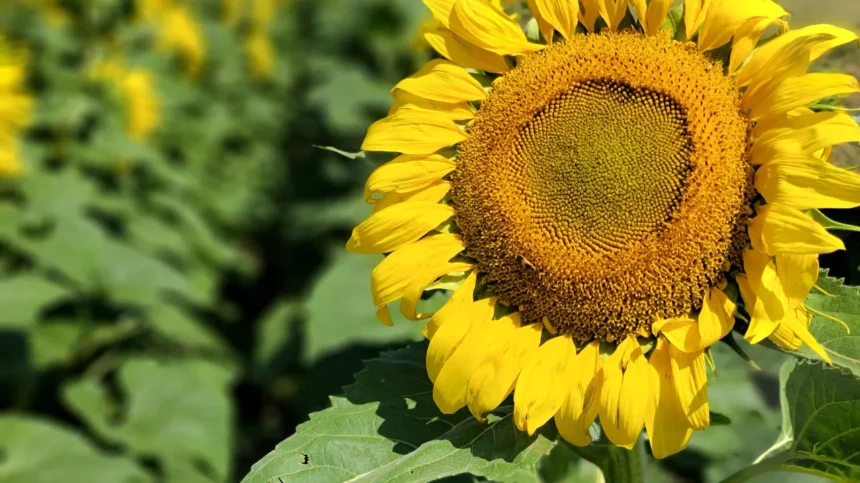
Sunflower production continues across the Lower Rio Grande Valley and the Texas High Plains. Around 10,000 to 15,000 acres are grown in South Texas, while another 25,000 acres supply bird food and oil-crushing markets.
Although sunflower prices have eased from last year, growers continue to value the crop for its deep root system, which allows it to access soil moisture during dry conditions, making it well-suited for semi-arid regions.
Guar Offers Drought Tolerance and Cotton Rotation Benefits
Guar acreage has expanded to approximately 15,000 to 20,000 acres, supported by processing capacity in Brownfield, Texas. The drought-tolerant legume remains attractive because of its low production costs and its ability to improve soil fertility through nitrogen fixation.
Farmers also report stronger cotton yields following guar rotations, adding long-term value despite relatively modest market prices.
Sesame and Black-Eyed Peas Continue Contract Production
Sesame remains an important contract crop across the Rolling Plains and Winter Garden regions, with annual production ranging between 50,000 and 75,000 acres. Most harvested sesame is delivered to processing facilities in Oklahoma.
Black-eyed peas also remain a contract-based crop, with production concentrated primarily across the Texas High Plains.
Summer Forage Crops Help Replace Failed Fields
Hybrid pearl millet and sorghum-sudangrass continue to cover roughly 500,000 acres statewide. Their short growing season allows producers to plant them well into summer, making them an effective replacement following crop failures while supporting Texas livestock, dairy and feedlot operations.
Alfalfa Remains a Premium Forage Crop
Texas growers cultivate approximately 60,000 acres of alfalfa annually. Premium-quality hay continues to command between $275 and $300 per ton, providing stable returns for irrigated producers despite water availability challenges in West Texas.
Hemp Acreage Continues to Decline
Fiber hemp production has dropped below 500 acres statewide due to limited processing capacity, shifting production to neighboring states and regulatory challenges. Experts also note that hemp requires earlier planting schedules that often conflict with traditional Texas cropping systems.
Despite these challenges, agricultural specialists believe alternative crops will remain an important component of Texas farming, offering producers greater flexibility, improved drought resilience and diversified income opportunities.