
Ottawa, Canada – From British Columbia to Manitoba, Canadian farmers are on the front lines of climate change, facing worsening droughts and heatwaves that are forcing a rapid evolution in agricultural practices. While many are adopting innovative methods to keep moisture in the soil and protect livestock, their efforts are being challenged by a significant setback: recent federal funding cuts to seven critical research facilities across the country.
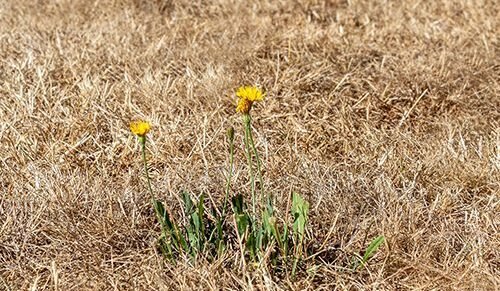
“Farmers across Canada are really feeling the impacts of climate change in a number of ways,” Sarah Marquis, a policy analyst with the National Farmers Union-Ontario, told The Energy Mix. “Every year is different, with farmers trying to find new solutions to new problems.” Marquis shared the experience of one member in British Columbia whose farm has weathered five to eight years of drought, turning the soil hydrophobic—repelling water instead of absorbing it. The farmer had to resort to irrigating cover crops and using extensive mulch to retain moisture, highlighting the extreme measures now required.
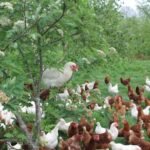
In response to these escalating challenges, farmers are working to build water-holding capacity in their soils by increasing organic matter and protecting soil with crop residue, explained Rosalie Gillis-Madden, Farm Resilience Mentorship (FaRM) program director at Farmers for Climate Solutions. Adaptations include switching to new crop varieties and, for livestock farmers, incorporating more shade relief and planting heat- and drought-prolific cover crops like sorghum-sudangrass and pearl millet to ensure grazing even when pastures fail. Farm organizations are also stepping up, with the Ontario Environmental Farm Coalition releasing an updated Environmental Farm Plan last year to strengthen the focus on climate adaptation.
Duncan Morrison, executive director of the Manitoba Forage and Grassland Association, emphasized the critical role of healthy soil and regenerative practices like rotational grazing and integrating livestock with crops. He also noted the growing recognition that preserving natural areas like wetlands and grasslands on farms is vital for buffering climate events. “The farmers that do engage in both soil-benefiting practices and the retention of natural areas on their farms are doing tremendous good for society and communities downstream,” Morrison told The Mix.
However, these on-the-ground adaptations are being undermined by the federal government’s decision to cut funding for key research facilities, which were essential for ongoing work on crop breeding and other adaptation methods. The loss of public extension services, which were largely cut in the early 2000s, has further compounded the problem. “Farmers would be much more able to respond to these price shocks with public and independent agronomists who could help them with soil testing and advise them on nitrogen fertilizer management,” Marquis said. As climate change intensifies, the gap between farmers’ urgent needs and the resources available to support them is becoming a critical concern for Canada’s agricultural future.