
India is the world’s largest milk producer, accounting for nearly 24% of global milk production, with around 10 crore people engaged in milk production . The Indian dairy market was valued at USD 135.30 billion in 2024 and is projected to reach USD 274.09 billion by 2032 . If you are considering entering this profitable sector, here is a comprehensive step-by-step guide.
Step 1: Choose Your Dairy Segment and Business Model
Decide the type of dairy farming you want to pursue. Common types include cow dairy farming, buffalo dairy farming, mixed dairy farming, or specialised organic dairy .
Popular business models:
- Small-scale dairy – Low investment, local milk sales
- Commercial dairy – High investment, bulk supply to cooperatives
- Organic dairy – Medium investment, premium pricing
- Value-added dairy – Higher margins through paneer, ghee, curd, butter
Step 2: Select Suitable Animal Breeds
Breed selection directly affects milk output, feed cost, and adaptability . Consult local veterinarians and animal husbandry experts before finalising .
Indigenous breeds:
- Sahiwal – 1,350–2,100 kg per lactation
- Gir – 900–1,600 kg per lactation
- Red Sindhi – 1,700–3,400 kg per lactation
Exotic breeds:
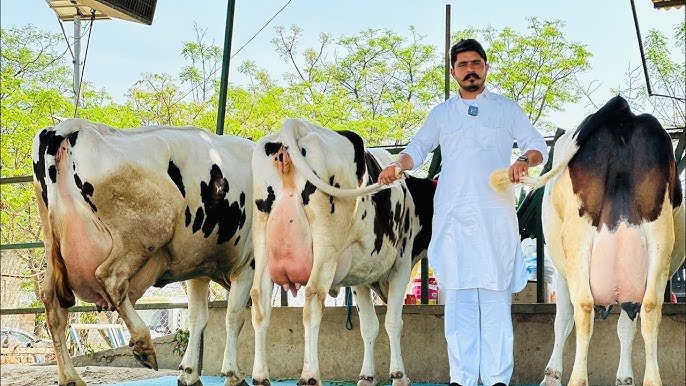
- Holstein Friesian – 7,200–9,000 kg per lactation; gives ~25 litres/day
- Jersey – 5,000–8,000 kg per lactation; better suited to hot, humid climates
Crossbreeds with Holstein Friesian or Jersey inheritance are commonly preferred for higher yields .
Step 3: Plan Land, Shed, and Infrastructure
Land requirement: A 10-cow unit typically needs approximately 400 sq ft of covered shed, open paddock area, feed storage, water access, and dung disposal area .
Key infrastructure:
- Well-ventilated cattle shed with proper drainage
- Separate calving area
- Raised mangers for feeding
- Water troughs for clean drinking water
- East-west orientation for shade
Space required: 80–100 sq ft per animal . Shed construction cost ranges from ₹350–500 per sq ft depending on materials .
Step 4: Plan Feeding and Fodder Management
Feed accounts for up to 70% of total dairy expenses . Plan for:
- Green fodder: Maize, berseem, Napier grass
- Dry fodder: Rice or wheat straw
- Concentrates: Grains, cottonseed cake, salt, and mineral mixture
Cost-saving tip: Cultivate green fodder on 1-2 acres of land to reduce feed expenses .
Step 5: Get Training and Prepare a Detailed Project Report
Before investing, get proper training from the Dairy Development Department or other reliable agencies .
Prepare a detailed project report (DPR) including:
- Herd size and breed selection
- Infrastructure and equipment costs
- Monthly operational expenses
- Revenue projections and break-even analysis
A bank-ready DPR is essential for applying for loans and government subsidies .
Step 6: Understand the Investment Required
Indicative setup costs for a 10-cow dairy unit :
| Expense Head | Estimated Cost |
|---|---|
| Cattle purchase (10 cows @ ₹60,000) | ₹6,00,000 |
| Shed construction | ₹1,50,000 |
| Equipment (milking machine, cans) | ₹40,000 |
| Feed stock | ₹80,000–1,50,000 |
| Vet care, insurance, misc. | ₹30,000 |
| Working capital | ₹60,000–1,00,000 |
| Total | ₹9,00,000–12,00,000 |
Monthly recurring costs: Approximately ₹35,000 per month (feed, labour, electricity, veterinary visits) .
Step 7: Apply for Government Schemes and Loans
Several government schemes can significantly reduce your financial burden:
- Animal Husbandry Infrastructure Development Fund (AHIDF): ₹29,110 crore outlay; provides 3% interest subvention for up to 8 years and credit guarantee up to 25% for MSMEs .
- Rashtriya Gokul Mission (RGM): Focuses on development and conservation of indigenous breeds through nationwide AI, IVF technology, and sex-sorted semen .
- National Programme for Dairy Development (NPDD): Infrastructure for quality milk testing, chilling facilities, and dairy processing .
- Dairy Entrepreneurship Development Scheme (DEDS): Capital subsidy for dairy infrastructure.
Loan options:
Women entrepreneurs and small farmers can also avail specialised loan programs .
Step 8: Obtain Necessary Licences and Registrations
To run a dairy farm legally, obtain:
- FSSAI license (for milk processing and sales)
- Local trade license from the municipality
- MSME registration (Udyam) for small business benefits
- GST registration (if applicable)
- Veterinary registration and compliance with Animal Husbandry Department guidelines
- Waste management compliance as per local pollution norms
Step 9: Manage Health, Hygiene, and Waste
| Disease | Vaccine Schedule |
|---|---|
| Foot & Mouth Disease (FMD) | 6-8 weeks, booster at 6/9/12 months, annual in Nov-Dec |
| Black Quarter (BQ) | Annual before monsoon, 5 ml s/c |
| Haemorrhagic Septicaemia (HS) | Annual in May-June, 3 ml i/m |
Clean milk production:
- Use sanitised, copper-free utensils
- Maintain hygienic milking premises
- Cool milk immediately after milking
- Regular cleaning of milking equipment with detergent and disinfectant
Waste management:
- Convert dung into biogas and organic fertiliser
- Set up a biogas plant to save on fuel and energy costs
- Use compost for own crops or sell it
Step 10: Market Your Dairy Products
Marketing channels include:
- Direct sales to local households
- Supply to cooperative societies (e.g., Amul model)
- Tie-ups with local dairies, confectioneries, or hotels
- Direct-to-consumer (D2C) milk delivery
- Branded value-added products (paneer, ghee, curd)
Key to success: Maintain strict quality control and hygiene to build customer trust and secure repeat business .