
New research from the World Wildlife Federation (WWF) challenges the long-held belief that U.S. corn and soybean harvests are models of efficiency. The study finds that farmers are leaving $2.6 billion worth of grain in the fields each year.
Surprising Levels of Waste in Commodity Crops
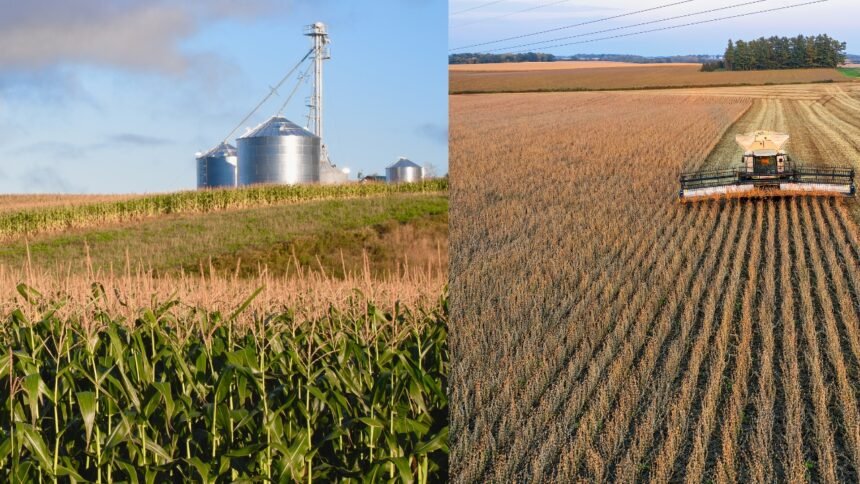
For years, fruits and vegetables have been known to suffer massive field waste – sometimes up to 56% for crops like romaine lettuce. But corn and soy, which cover over 175 million acres of U.S. farmland, were assumed to have near-zero harvest losses.
However, WWF’s latest report shows that 4.7% of corn and 4.5% of soy are left unharvested. That is significantly higher than the industry targets of 1% for corn and 3% for soy.
“The most common reaction was, ‘Oh gosh, I didn’t realize it added up to that,’” said Leigh Prezkop, senior program specialist for food loss and waste at WWF.
Why Does This Matter?
The scale of U.S. corn and soy production is enormous:
- 15.1 billion tons of corn and 4.4 billion tons of soy in 2021 alone
- 22% of all U.S. farmland is used for these two crops
Even a small percentage of waste translates into massive economic and environmental impact. Grain production is a major contributor to greenhouse gas emissions, so reducing waste directly helps climate goals.
Two Main Causes of Waste
Unlike fruits and vegetables (which spoil easily), corn and soy waste is driven by:
1. Older, Inefficient Harvesting Equipment
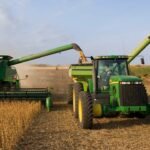
Many medium-scale farmers use older combine harvesters that leave more grain behind. Newer flagship models are more efficient but expensive.
2. Inexperienced Equipment Operators
Operator skill plays a major role. Inadequate training leads to higher field losses.
Proposed Solutions
WWF recommends two practical solutions:
- Equipment sharing programs – Larger farmers with advanced combines could share with medium-scale farmers.
- Better training for combine operators, regardless of farm size.
What the Study Didn’t Cover
The WWF report focused only on post-harvest field loss. It did not measure:
- Pre-harvest losses (during growing season)
- Losses during storage (insects, mold, spoilage)
- Losses during processing and transport
Carlos Campabadal of Kansas State University noted:
“Just during storage, you can see insect infestation, mold, and all kinds of things that lead to damage and loss.”
Conclusion
This study shifts the conversation from increasing crop yield to reducing what is already grown but never used. With better equipment sharing and operator training, U.S. farmers could save billions of dollars and reduce agriculture’s environmental footprint.