
By using this site, you agree to the Privacy Policy and Terms of Use.
Accept
ruralconnectnews.comruralconnectnews.comruralconnectnews.com
  • Global Agriculture
  • India Region
  • Farming Industry
  • Agriculture Industry
  • Mechanization and Technology
  • Dairy Industry
  • Podcast
  • Advertise
Reading: $2.6 Billion in Corn and Soy Lost Annually: New WWF Study Reveals Hidden Harvest Waste
Share
Notification Show More
Font ResizerAa
Font ResizerAa
ruralconnectnews.comruralconnectnews.com
  • Global Agriculture
  • India Region
  • Farming Industry
  • Agriculture Industry
  • Mechanization and Technology
  • Dairy Industry
  • Podcast
  • Advertise
  • Global Agriculture
  • India Region
  • Farming Industry
  • Agriculture Industry
  • Mechanization and Technology
  • Dairy Industry
  • Podcast
  • Advertise
Follow US
  • Advertise
© 2026 ruralconnectnews.com Managed By Bolsterflip Media. All Rights Reserved.
ruralconnectnews.com > Blog > Global Agriculture > $2.6 Billion in Corn and Soy Lost Annually: New WWF Study Reveals Hidden Harvest Waste
Global Agriculture

$2.6 Billion in Corn and Soy Lost Annually: New WWF Study Reveals Hidden Harvest Waste

Rural Connect News
Last updated: 12/04/2026 7:10 PM
Rural Connect News 1 week ago
Share
$2.6 Billion in Corn and Soy Lost Annually: New WWF Study Reveals Hidden Harvest Waste
SHARE

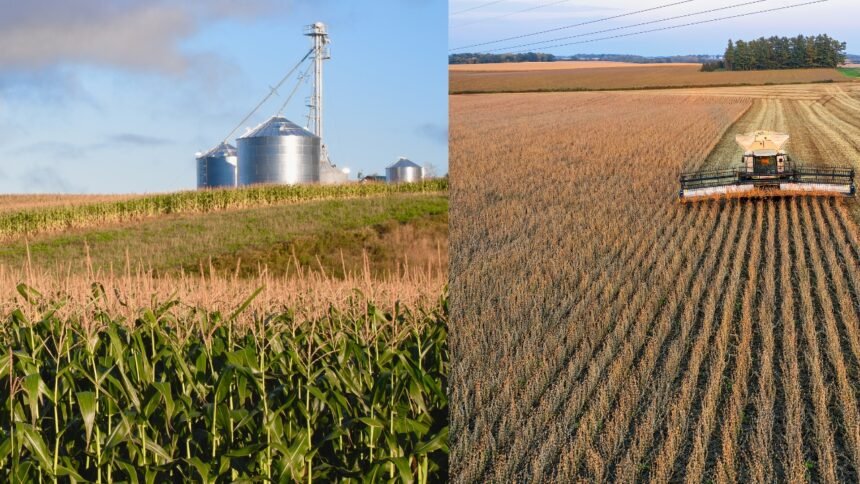
New research from the World Wildlife Federation (WWF) challenges the long-held belief that U.S. corn and soybean harvests are models of efficiency. The study finds that farmers are leaving $2.6 billion worth of grain in the fields each year.

Contents
Surprising Levels of Waste in Commodity CropsWhy Does This Matter?Two Main Causes of Waste1. Older, Inefficient Harvesting Equipment2. Inexperienced Equipment OperatorsProposed SolutionsWhat the Study Didn’t CoverConclusion

Surprising Levels of Waste in Commodity Crops

For years, fruits and vegetables have been known to suffer massive field waste – sometimes up to 56% for crops like romaine lettuce. But corn and soy, which cover over 175 million acres of U.S. farmland, were assumed to have near-zero harvest losses.

However, WWF’s latest report shows that 4.7% of corn and 4.5% of soy are left unharvested. That is significantly higher than the industry targets of 1% for corn and 3% for soy.

“The most common reaction was, ‘Oh gosh, I didn’t realize it added up to that,’” said Leigh Prezkop, senior program specialist for food loss and waste at WWF.

Why Does This Matter?

The scale of U.S. corn and soy production is enormous:

  • 15.1 billion tons of corn and 4.4 billion tons of soy in 2021 alone
  • 22% of all U.S. farmland is used for these two crops

Even a small percentage of waste translates into massive economic and environmental impact. Grain production is a major contributor to greenhouse gas emissions, so reducing waste directly helps climate goals.

Two Main Causes of Waste

Unlike fruits and vegetables (which spoil easily), corn and soy waste is driven by:

1. Older, Inefficient Harvesting Equipment

Many medium-scale farmers use older combine harvesters that leave more grain behind. Newer flagship models are more efficient but expensive.

2. Inexperienced Equipment Operators

Operator skill plays a major role. Inadequate training leads to higher field losses.

Proposed Solutions

WWF recommends two practical solutions:

  • Equipment sharing programs – Larger farmers with advanced combines could share with medium-scale farmers.
  • Better training for combine operators, regardless of farm size.

What the Study Didn’t Cover

The WWF report focused only on post-harvest field loss. It did not measure:

  • Pre-harvest losses (during growing season)
  • Losses during storage (insects, mold, spoilage)
  • Losses during processing and transport

Carlos Campabadal of Kansas State University noted:

“Just during storage, you can see insect infestation, mold, and all kinds of things that lead to damage and loss.”

Conclusion

This study shifts the conversation from increasing crop yield to reducing what is already grown but never used. With better equipment sharing and operator training, U.S. farmers could save billions of dollars and reduce agriculture’s environmental footprint.
You Might Also Like

China Begins Crackdown on Illegal Pesticides

Renewed Effort to Supercharge Faba Bean Breeding and Expansion

World Food Forum Africa: Tapping the Continent’s Greatest Asset – People – to Drive Sustainable Agrifood Transformation

Strait of Hormuz Blockade: Fertilizer Prices Surge as Global Food Crisis Looms

Regenerative Agriculture Explained: How Farming Can Restore Soil, Profit, and the Planet

TAGGED: combine harvester efficiency, corn harvest loss, food loss and waste, grain waste USA, soy waste, Sustainable Farming, WWF report 2022
Share This Article
Facebook Twitter Email Print
Previous Article chana-prices-cheap-imports-india-pulse-market-2026 Chana Prices Under Pressure: How Cheap Imports Are Reshaping India’s Pulse Market in 2026
Next Article Deere & Co. Settles Right-to-Repair Lawsuit for $99 Million: What Farmers Need to Know

About us

Rural Connect News is a dedicated digital news platform committed to amplifying the voice of rural India and connecting Bharat’s heartland with the global stage. We deliver the latest rural news, agriculture updates, development stories, and innovation-led insights that shape the future of villages and farming communities..

Quick Link

  • About us
  • Advertise
  • Disclaimer
  • Privacy Policy
  • Terms and Conditions

Find Us on Socials

© 2026 ruralconnectnews.com Managed By Bolsterflip Media. All Rights Reserved.
Welcome Back!

Sign in to your account

Lost your password?
