

A fresh set of transit regulations imposed by Iran on the Strait of Hormuz has brought fertilizer shipments into sharp focus for India. This comes at a time when the nation is striving to secure essential agricultural inputs ahead of the crucial Kharif season, even as a peace deal with the U.S. officially ended the 107-day war .
A Mixed Bag for India
The recent developments present a complex picture. On one hand, the cessation of hostilities and a tentative agreement to keep the Strait open without tolls for 60 days has offered a glimmer of hope for a smooth evacuation of stranded cargoes . On the other, the new rules issued by Iran’s newly established authority have created a layer of bureaucratic uncertainty, complicating the transit process for international shipping .
The Indian government had already established a process for evacuating ships serving its needs, successfully bringing back more than a dozen vessels. In the wake of the peace deal, it has earmarked 34 ships for repatriation. This list notably includes 15 fertilizer-carrying bulk carriers and one ammonia carrier, all of which are essential for domestic production .
New Rules in the Strait of Hormuz
According to reports, the Persian Gulf Strait Authority (PGSA), an entity set up by Tehran during the war, is now the sole official channel for processing transit requests. While no fees will be levied for the next 60 days, a Lloyd’s List report noted the PGSA reserves the right to introduce insurance fees in the future, adding an element of long-term cost uncertainty for shippers .
Iran has insisted that, for now, only passage close to its coast is permitted. The Islamic Revolutionary Guard Corps (IRGC) has been challenging vessels that do not comply, asking them to turn around. The terms of the new regime have been circulated to the industry and submitted to the International Maritime Organization .
India’s Cargoes and Kharif Season
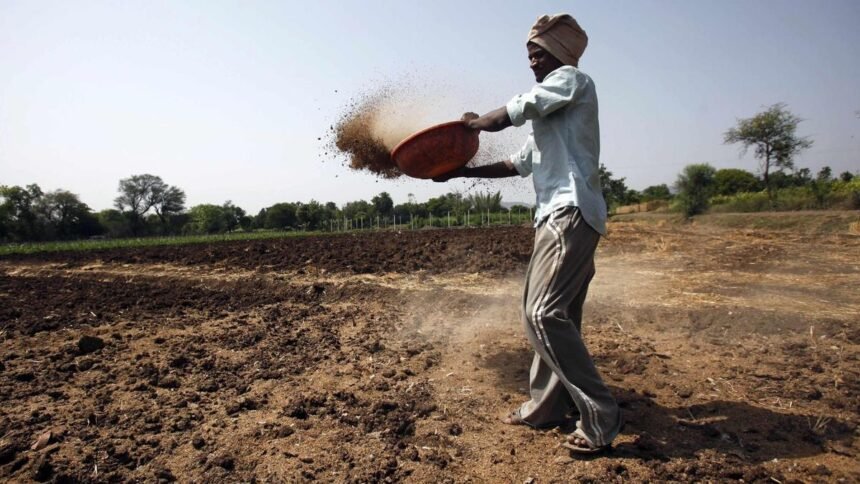
The focus on fertilizer shipments is critical for India. The Department of Agriculture and Farmers Welfare has assessed the requirement for the Kharif season at about 384 lakh tonnes. While current stocks are comfortable at around 196 lakh tonnes, and India began the season with opening stocks of over 200 lakh tonnes, the timely arrival of these cargoes is vital to ensure smooth supplies to farmers .
Among the identified ships is the Josco Shunzhou, a Hong Kong-registered vessel carrying 50,000 tonnes of urea, which successfully crossed the Strait two days ago and is expected to arrive at Krishnapatnam in Andhra Pradesh on June 27 . The ships identified by the government are transporting a combined 3.3 lakh tonnes of urea, 2.57 lakh tonnes of DAP, 1.1 lakh tonnes of sulphur, and over 25,000 tonnes of ammonia .
Global Context
The disruption in the Strait has had a global impact. BIMCO, a leading shipping association, noted that global fertilizer shipments fell 11% year-on-year since the start of the war. Under normal conditions, 16% of global fertilizer shipments, including crucial phosphates and urea, pass through the Strait . With the new rules now in place, all eyes will be on how quickly the supply chain for these vital agricultural inputs can return to normal .