

The West Asia war, ongoing since February 2026, has profoundly disrupted global energy markets. While the immediate effects of the conflict are most visible in the surging price of crude oil, a subtler but potentially more devastating economic shock is brewing in the agricultural sector .
A key component of the danger lies in the war’s effect on the production of nitrogenous fertilizers—a cornerstone of modern farming. This potential “fertilizer shock” could trigger a steep rise in global food prices and inflict severe economic damage on farming nations like India.
The LNG Link: How Middle East Instability Hits Indian Farms
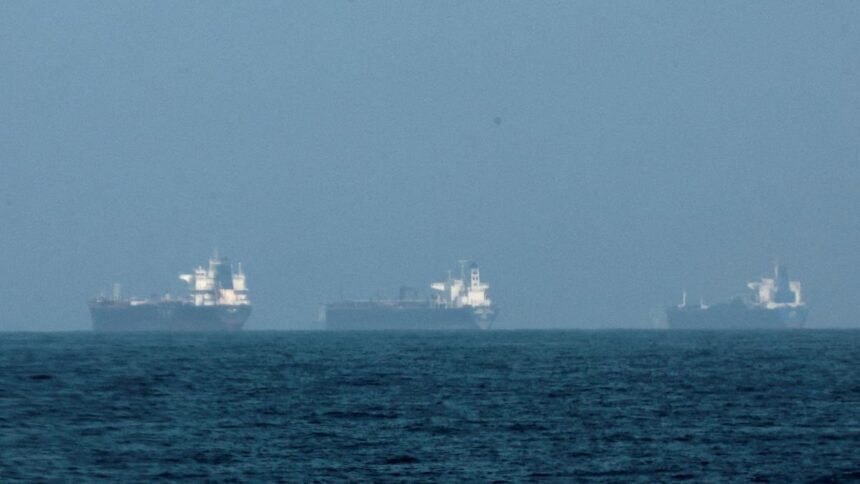
India’s ability to produce urea, the most widely used nitrogenous fertilizer, is heavily dependent on imported Liquefied Natural Gas (LNG). When the war broke out, the effective closure of the Strait of Hormuz immediately choked off this vital supply route .
The result was an immediate crisis. India had to float emergency tenders to import urea at prices nearly double their pre-conflict levels, a situation that has placed a massive strain on the government’s subsidy bill and threatens to drive up input costs for farmers.
The Double Threat: Potash and Other Key Imports
The threat is not limited to nitrogen. India is also completely dependent on imports for potash, a key nutrient for crop health, and relies heavily on the global market for other inputs like DAP (Di-Ammonium Phosphate). The war in West Asia and its ripple effects on global shipping have disrupted these supply chains, creating a multi-front crisis for agricultural input costs.
The Price of Disruption: Inflation and Market Anxiety
The conflict has already demonstrated its power to move markets. Global food prices spiked following the initial shock of the war. More recently, the fragile nature of peace negotiations has injected fresh volatility into the markets, with analysts noting that renewed tensions could reverse any gains from the temporary price drop in crude . This uncertainty makes long-term planning for farmers and food companies extremely difficult.
The Warning from the Past
The crisis echoes the fertilizer shock of 2021-22, when the Russia-Ukraine war sent global fertilizer prices soaring by nearly 300%. That event triggered food inflation worldwide and caused significant hardship for farmers in developing countries. The current threat is compounded by the fact that the war in West Asia directly threatens one of the world’s most critical energy and trade chokepoints, while also potentially drawing in other major resource producers.
The Need for Preparation
For a country like India, with over 140 million farmers and a vast population dependent on affordable food, a “fertilizer shock” is not just an economic issue; it is a matter of national security. The need to secure alternative supply chains and accelerate the shift towards more sustainable farming practices has never been more urgent.