

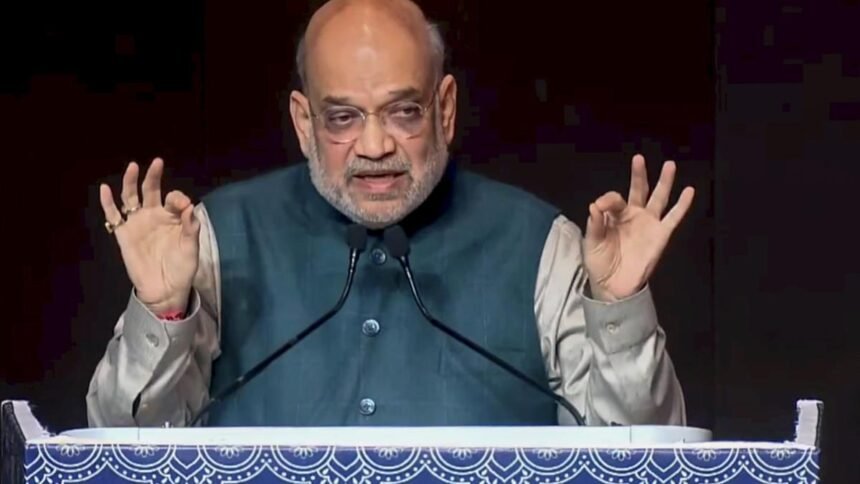
Cooperation Minister Amit Shah on Wednesday informed Parliament that 8,710 Primary Agricultural Cooperative Societies (PACS) have been established across the country during the 2024-25 and 2025-26 financial years, achieving 27% of the set target.
The government has set a target of forming 32,752 PACS during this two-year period. In a written reply to the Rajya Sabha, Shah stated that the achievement represents approximately 27% of the national target.
State-wise progress
The highest number of PACS were established in Odisha (1,543), followed by Rajasthan (1,387), Uttar Pradesh (1,099), Madhya Pradesh (621), and Uttarakhand (621). Other states with significant achievements include Gujarat (525), Assam and Chhattisgarh (469 each), Maharashtra (149), and Himachal Pradesh (116).
Expansion of PACS activities
Shah informed that PACS have been enabled to undertake more than 25 diversified business activities under the new Model Bye-laws, transforming them from traditional credit-focused institutions into multipurpose economic entities.
Beyond providing short-term credit and basic agricultural inputs, PACS now function as:
- Pradhan Mantri Kisan Samriddhi Kendras (PMKSK) for distribution of quality fertilisers and pesticides
- Participants in seed production and distribution through Bharatiya Beej Sahakari Samiti Limited (BBSSL) under the “Bharat Beej” brand
- Operators of Custom Hiring Centres for farm machinery
- Support units for allied sectors such as dairy and fisheries
Digital transformation
In the digital and public service domain, more than 51,000 PACS are functioning as Common Service Centres (CSCs) , delivering over 300 e-services, including banking and insurance at the panchayat level.
PACS have also been authorised to operate Pradhan Mantri Bhartiya Janaushadhi Kendras, undertake operation and maintenance of piped water supply schemes, and run retail fuel outlets and LPG distributorships.
The expansion of PACS activities is part of the government’s broader vision to transform the cooperative sector into a key driver of rural development, aligned with the National Cooperation Policy 2025’s goal of ‘Sahkar-se-Samriddhi’ (Prosperity through Cooperation).