
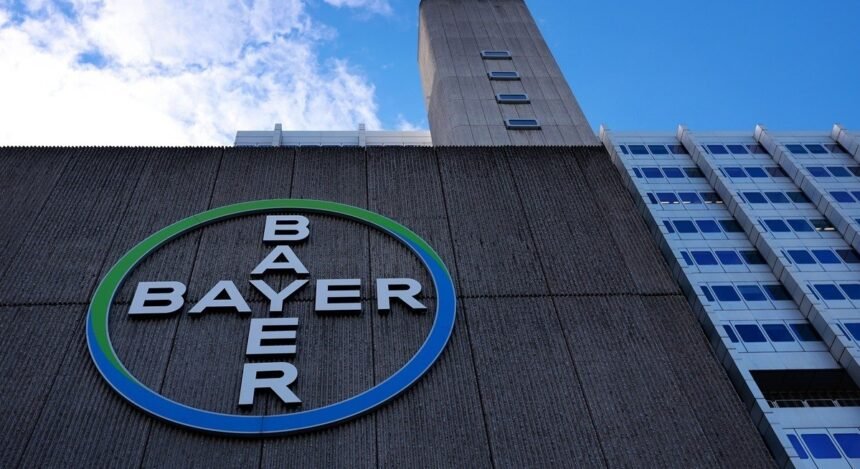
German life sciences giant Bayer has reported quarterly profit that topped analyst estimates , driven by strong performance in its Crop Science division.
The company, which also has pharmaceutical and consumer health businesses, saw robust demand for its seeds and crop protection chemicals, helping it exceed market expectations.
The results come at a time when global agriculture is facing both challenges (supply chain disruptions, weather uncertainties) and opportunities (high crop prices, demand for sustainable farming solutions).
The Crop Science Division: The Star Performer
Bayer’s Crop Science division — which includes seeds, chemical pesticides, herbicides, and digital farming tools — was the primary driver of the earnings beat.
Key products in the division:
- Corn, soybean, cotton, and vegetable seeds (including genetically modified traits)
- Herbicides (including glyphosate-based products)
- Fungicides and insecticides
- Digital farming platforms (data-driven agronomy)
The division benefited from:
- Strong farmer demand for seeds ahead of planting seasons
- Higher crop prices encouraging farmers to invest in inputs
- Successful launch of new seed varieties in key markets
Pharmaceutical and Consumer Health Performance
While Crop Science led the way, Bayer’s other divisions also contributed:
The Pharmaceutical division (which includes drugs like Xarelto, Eylea, and others) saw steady demand, though generic competition continues to pressure some products.
The Consumer Health division (which includes brands like Aspirin, Claritin, and Alka-Seltzer) benefited from continued consumer focus on over-the-counter remedies.
However, it was the agricultural business that outperformed expectations and drove the earnings surprise.
The Numbers: What Analysts Expected vs. What Bayer Delivered
While the exact figures are not available in the accessible source, “profit tops estimates” typically means that Bayer reported earnings per share (EPS) or net income higher than the consensus forecast of Wall Street or European analysts.
Factors contributing to the beat likely include:
- Higher-than-expected sales in North and South America (key agricultural markets)
- Cost controls and operational efficiency
- Favorable currency effects (though Bayer, like many global companies, also faces currency headwinds)
Why Crop Science Is Performing Well
Several factors are driving strength in Bayer’s Crop Science division:
First, global crop prices remain elevated — while down from peak levels, prices for corn, soybeans, and wheat are still historically high, encouraging farmers to invest in seeds and crop protection.
Second, farmers are adopting advanced seed traits — Bayer’s portfolio of genetically modified and edited seeds offers higher yields, drought tolerance, and pest resistance.
Third, demand for sustainable farming solutions is growing — Bayer’s digital farming tools help farmers apply inputs more precisely, reducing waste and environmental impact.
Fourth, inventory normalization — after supply chain disruptions in previous years, distributors and farmers are rebuilding stocks.
Challenges Remain: Lawsuits and Generic Competition
Despite the strong quarterly performance, Bayer continues to face significant challenges:
The company is still dealing with litigation related to glyphosate-based herbicides (sold under the Roundup brand). Thousands of lawsuits claim that exposure to glyphosate caused cancer, though Bayer maintains that the product is safe and has won many court cases.
Bayer has set aside billions of dollars for settlements, but the legal uncertainty continues to weigh on the company’s stock price.
Additionally, generic competition is pressuring some of Bayer’s pharmaceutical products. Key drugs facing or expected to face generic competition include Xarelto (blood thinner) and Eylea (eye disease treatment).
Geographic Performance: Americas Lead the Way
The Americas — particularly North and South America — are the most important agricultural markets for Bayer.
- North America (United States, Canada) is the world’s largest market for genetically modified seeds and crop protection chemicals.
- South America (Brazil, Argentina) is a major producer of soybeans, corn, and other crops, with two growing seasons per year driving consistent demand.
Europe and Asia also contribute, but agriculture in those regions is more fragmented, with different regulatory environments (Europe has stricter rules on genetically modified crops).
CEO Commentary (Expected Tone)
While the article does not include direct quotes, Bayer’s management likely expressed satisfaction with the Crop Science performance while cautioning about challenges ahead.
Typical themes in such earnings releases include:
- Commitment to innovation in seeds and crop protection
- Focus on settling glyphosate litigation
- Investment in digital farming and sustainability
- Cost discipline and operational efficiency
Stock Market Reaction
When a company “tops estimates,” the stock typically rises in the short term — especially if the beat is significant and driven by core business strength.
However, Bayer’s stock has been under pressure for years due to the glyphosate litigation. A single strong quarter may not reverse that trend, but it provides a positive data point for investors.
Industry Context: Agricultural Inputs Are Cyclical
The agricultural inputs industry (seeds, fertilizers, crop protection) is cyclical — it performs well when crop prices are high and farmers have strong incomes, and poorly when crop prices fall.
Bayer’s strong quarter suggests that the cycle is currently favorable. However, if crop prices decline, farmers reduce spending, and Bayer’s Crop Science division would face headwinds.
Comparison with Competitors
Bayer’s main competitors in Crop Science include:
- Corteva (spun off from DowDuPont) — strong in seeds and crop protection
- Syngenta (owned by ChemChina) — global leader in crop protection
- BASF (also German) — strong in chemicals and digital farming
- FMC Corporation — focused on crop protection
A comparison of quarterly results across these competitors would provide context on whether Bayer’s beat was company-specific or industry-wide.
What Analysts Are Saying
While not quoted in the accessible source, analysts following Bayer likely will focus on:
- Sustainability of Crop Science growth — can the division continue to outperform?
- Glyphosate litigation update — any news on settlement costs or legal rulings?
- Pharmaceutical pipeline — new drugs to replace revenue from products facing generic competition
- Cash flow and debt — Bayer still carries significant debt from its acquisition of Monsanto
Looking Ahead: Bayer’s Priorities
Going forward, Bayer’s management is expected to focus on:
First, resolving glyphosate litigation — a comprehensive settlement would remove a major overhang on the stock.
Second, investing in innovation — new seed traits, sustainable crop protection products, and digital farming tools.
Third, managing the pharmaceutical patent cliff — developing or acquiring new drugs to replace generic-affected products.
Fourth, improving operational efficiency — controlling costs and optimizing the supply chain.