
Vertical gardening with PVC pipes is a cost-effective, space-saving way to grow fresh vegetables at home. Here’s everything you need to get started.
PVC pipe farming has emerged as a practical solution for urban gardeners with limited space. Pioneered by innovators like Mithilesh Kumar Singh from Uttar Pradesh and Sunita Prasad from Bihar, this method allows you to grow fresh, organic vegetables even in compact balconies and terraces .
Why Use PVC Pipes for Farming?
PVC pipes are cheap, easy to find, and can save a lot of space . A vertical pipe garden can cost around ₹1,000 for two five-foot pipes and allow you to cultivate four to five varieties of vegetables, ranging from leafy greens to tubers . The setup is straightforward and can last for years with proper care .
What You’ll Need to Start
- PVC Pipes: A five or six-foot-long pipe with a diameter of at least 4-6 inches .
- Growing Medium: A mix of garden soil, organic manure (like cow dung or vermicompost), and coco peat .
- Drill or Heated Iron Rod: For making planting holes.
- Watering Can or Drip System: For regular irrigation.
- Seeds or Seedlings: Choose vegetables like tomatoes, chillies, brinjal, okra, coriander, and peas .
Step-by-Step Guide to Building Your PVC Pipe Farm
1. Prepare the Pipe
Take your PVC pipe and drill holes at regular intervals. Maintain a distance of about 18 inches between holes on one side of the pipe and a gap of nine inches on the opposite side . For a six-foot pipe, you should have around five evenly spaced holes in total . Avoid drilling excessive holes, as this can weaken the structure .
2. Fill with Soil
Fill about three-fourths of the pipe with your soil mixture. This typically includes a combination of garden soil, vermicompost, or other organic fertilisers . You can also add neem cake for additional pest protection . Pack the soil tightly to keep the structure compact .
3. Plant Your Seeds
Plant your seeds or saplings in the holes you have created. To plant new saplings, simply create a small hole in the soil and place the sapling .
4. Create a Watering System
Create a hole in the centre of the soil and fill it with sand. When you water the sand, it stays wet and allows moisture to reach the bottom of the pipe easily . For larger systems, you can attach a central pipe with small outlets for drip irrigation .
5. Place in Sunlight and Water Regularly
Place your pipe in a sunny location that receives several hours of direct sunlight . Water regularly to keep the soil evenly moist. You can use a watering can or set up a drip irrigation system for more consistent watering .
Pro Tips for a Thriving PVC Garden
- Spacing is Key: Proper spacing between plants reduces the incidence of pests and diseases .
- Use Organic Inputs: Use organic manure and neem cake for nutrition and pest control .
- No Need to Change Soil: You can use the same soil for up to three years .
- Consider a Central Pipe: For larger systems, a central pipe with small holes can help distribute water evenly .
Beyond Soil: The Hydroponic Approach
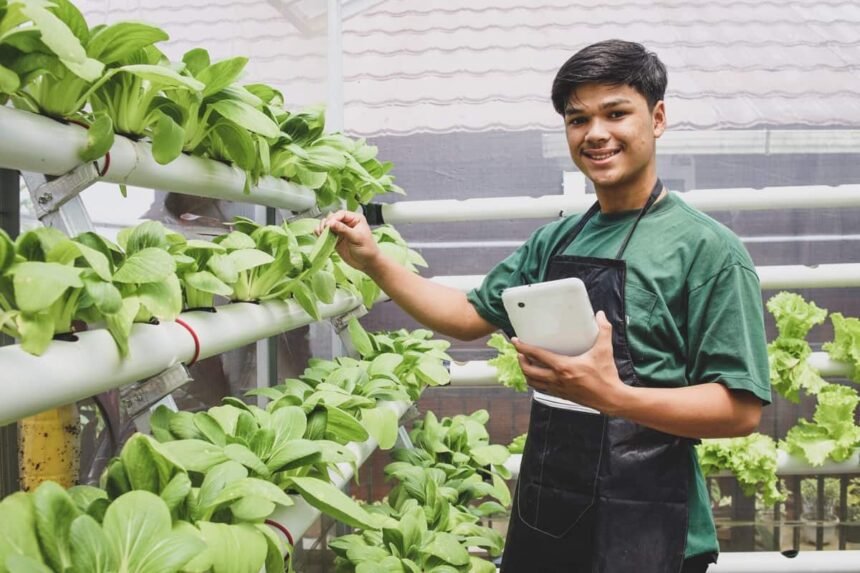
For an even more advanced method, you can try hydroponics. This soilless farming technique uses nutrient-rich water to grow plants . PVC pipes can be used to create a hydroponic system where plant roots are placed directly into water infused with essential nutrients . This method allows for faster growth and healthier crops .