
Poultry farming is one of the fastest-growing areas in agriculture, offering quick returns and steady demand for eggs and meat
Poultry farming is one of the fastest-growing areas in agriculture, and for good reason: it can be started on a small scale, scaled quickly, and managed with strong returns when done correctly. Whether you want to raise chickens for eggs, meat, or both, success comes down to smart planning, good bird health, and daily attention to detail.
If you are considering entering the poultry business, this guide will walk you through the essentials of starting and managing a productive poultry farm.
What is poultry farming?
Poultry farming is the practice of raising domesticated birds such as chickens, ducks, turkeys, and quails for meat, eggs, feathers, and other products. In most cases, chicken farming is the most common form because chickens are widely accepted in markets and are relatively easy to manage.
The two most popular poultry production systems are:
- Broiler farming – raising birds for meat production
- Layer farming – raising hens for egg production
Some farmers combine both systems for diversified income.
Why poultry farming is a smart business
Poultry farming remains attractive because it can generate income quickly and serve consistent market demand. Eggs and chicken meat are everyday foods in many households, restaurants, hotels, and food businesses.
- Fast production cycle: Broilers can be ready for market in a matter of weeks
- Steady demand: Poultry products are consumed year-round
- Flexible scale: You can start small and expand gradually
- Multiple income streams: Sell eggs, meat, manure, chicks, and even spent hens
Choose the right poultry farming model
Broiler Farming
Broilers are chickens bred specifically for meat. They grow quickly, require efficient feeding, and are sold within a short cycle. This model is ideal for farmers looking for faster cash turnover.
Layer Farming
Layers are bred for egg production. They take longer to begin laying, but once they mature, they can produce a steady supply of eggs for many months. This model suits farmers who want regular income over a longer period.
Free-Range or Organic Poultry
This system allows birds more movement and often appeals to customers who prefer natural or organic products. It may command premium prices but requires careful management and enough land.
Start with a solid poultry farm plan
Before launching, consider the following:
- Number of birds to start with
- Type of birds and production system
- Housing and equipment needs
- Feed and vaccination costs
- Water supply and waste management
- Target customers and sales channels
- Expected revenue and break-even point
Build proper poultry housing
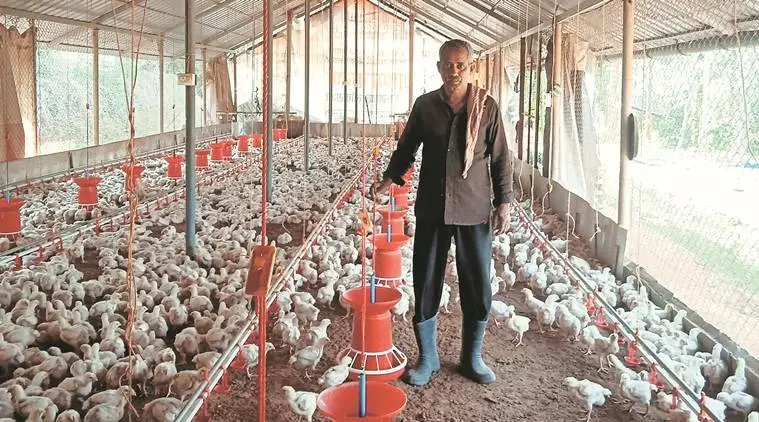
Good poultry housing is one of the most important parts of farm success. Birds need a safe, dry, well-ventilated space that protects them from weather, predators, and disease.
Key housing requirements
- Ventilation: Fresh air helps control temperature and reduce ammonia buildup
- Dry flooring: Moisture encourages bacteria and disease
- Space: Overcrowding causes stress and slows growth
- Security: Protect birds from rats, snakes, dogs, and theft
- Easy cleaning: A well-designed house makes sanitation easier
Select healthy birds from reliable sources
Always buy chicks or pullets from a trusted hatchery or breeder with a good reputation. Healthy birds should be active, alert, and free from visible deformities.
When selecting chicks, look for:
- Bright eyes and clean nostrils
- Dry, fluffy feathers
- Strong legs and good balance
- Active movement
- No signs of weakness or swelling
Feed your birds correctly
Feed is one of the largest costs in poultry farming, but it is also one of the most important investments. Birds need balanced nutrition to grow well, lay consistently, and stay healthy.
Feeding tips
- Use age-appropriate feed (chicks, growers, and layers all have different nutritional needs)
- Provide clean water daily
- Avoid feed wastage
- Supplement carefully when needed
- Store feed properly, dry and protected from pests
Protect your birds from disease
Disease prevention is essential because outbreaks can spread fast and cause major losses.
Best practices for poultry health
- Keep the poultry house clean and disinfected
- Restrict visitor access
- Quarantine new birds before mixing them with others
- Follow a vaccination program recommended by a veterinarian
- Remove sick birds quickly
- Control rodents, flies, and other pests
Watch for warning signs such as reduced appetite, drooping wings, coughing, diarrhea, or sudden deaths.
Manage daily operations efficiently
Successful poultry farming depends on routine. Birds need daily attention to feeding, watering, cleaning, and health monitoring.
Daily tasks include:
- Checking feed and water supply
- Observing bird behavior and activity
- Cleaning wet litter or dirty cages
- Inspecting for injuries or illness
- Recording mortality, feed usage, and egg production
Market your poultry products effectively
Before birds are ready for sale, develop a plan for reaching buyers. This may include local markets, supermarkets, restaurants, wholesalers, hotels, and direct customers.
Smart marketing ideas
- Build relationships with regular buyers
- Offer reliable supply and consistent quality
- Use social media to promote fresh eggs and chicken
- Create simple branding for packaging and pricing
- Study market demand during holidays and peak seasons
Common mistakes to avoid
- Starting with too many birds too soon
- Poor housing and ventilation
- Inconsistent feeding or dirty water
- Ignoring vaccination and biosecurity
- Buying birds from unreliable sources
- Failing to keep financial records
Conclusion
Poultry farming offers a practical path to business growth, food production, and stable income. It requires careful planning, healthy birds, proper housing, quality feed, disease prevention, and strong market access.
Start small, learn fast, and improve continuously. Focus on building a system that is efficient, profitable, and sustainable. With the right approach, poultry farming can grow from a small venture into a dependable agribusiness.