
Rome, Italy – Three sites in China have been formally recognized as Globally Important Agricultural Heritage Systems (GIAHS) by the Food and Agriculture Organization (FAO) for their unique traditional practices, biodiversity, and sustainable ecosystems. The sites—an ancient tea-producing area, a nomadic livestock-rearing region, and a rain-fed stone terrace farming system—were designated during a meeting of the GIAHS Scientific Advisory Group in Rome. FAO Deputy Director-General Maria Helena Semedo emphasized that GIAHS has “proven its potential as a model of sustainable agriculture through its remarkable agro-ecological approach,” helping to revitalize rural communities and promote development.
The designated sites include the Anxi Oolong Tea Production Area in Fujian province, where tea cultivation dates back to the 10th century. Local farmers’ traditional knowledge and practices have ensured the long-term sustainability of tea plantations, producing the famous Tieguanyin tea and embedding it as part of local identity. The Ar Horqin Grassland Nomadic System in Inner Mongolia is the first nomadic agricultural heritage area designated in China. This region, with its ethnic Mongolian population, preserves traditional nomadic production and lifestyle, using rotational grazing to protect vegetation and avoid overgrazing while ensuring a steady supply of livestock products.
Read us : Rains Slow Coffee Harvest in Minas Gerais and São Paulo, Raising Quality Concerns
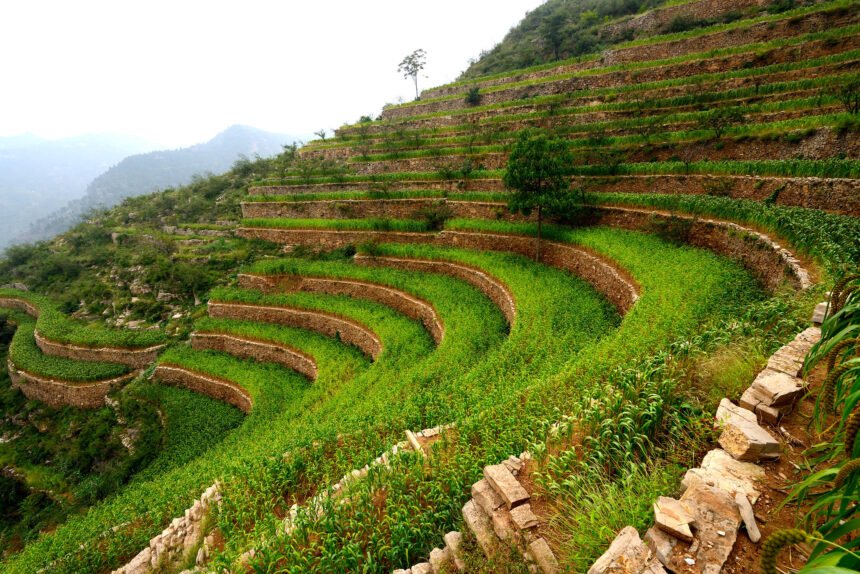
The third site is the Shexian Dryland Stone Terraced System in Hebei province, a rain-fed agricultural system dating back to the 13th century. Despite harsh mountain conditions, the stone terraced fields support agriculture, providing a stable livelihood and serving as a model for sustainable farming in limestone areas. With crops like walnuts, millet, and soybeans, the local communities have guaranteed their food security for centuries while maintaining a remarkable landscape. To date, China has 18 sites on the GIAHS list, contributing to a global network of 65 systems in 22 countries.