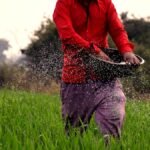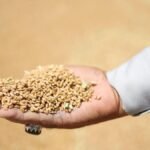

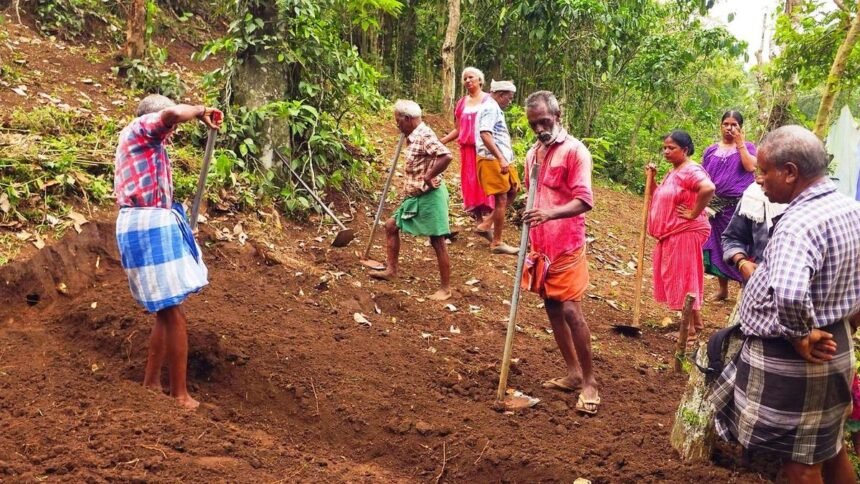
After a gap of 15 years, farming has been resumed on the abandoned lands of tribal settlements inside the Periyar Tiger Reserve (PTR) in Thekkady, Idukki. Turmeric is being cultivated on the tribal lands this time. An initiative by the Forest Department, the project aims to provide financial stability to the tribal community while reducing instances of human-wildlife conflicts .
The cultivation is being resumed under five Eco-Development Committees (EDC) of the PTR, according to an official. The Alleppey Finger Turmeric (AFT) variety is being used for this initiative. In Paliyakkudy, crops were planted on 1.5 acres on a trial basis. The total area proposed for cultivation is approximately 50 acres for various crops. Future plans include rejuvenating black pepper farming within the settlements, as well as cultivating cinnamon, Malabar tamarind, clove, nutmeg, and ginger .
Officials chose to prioritise turmeric because wild animals generally do not consume the crop. Organic farming practices will be followed .
A proven model of economic stability
The initiative follows a successful model already established in other parts of the reserve. In 2023, the Vanchivayal tribal settlement, comprising 73 families belonging to the Oorali community, bagged the second best organic tribal hamlet award in the State . According to officials, the tribals have been cultivating pepper, ginger, coffee, and turmeric through organic farming since 2003. They produce nearly 30 to 40 tonnes of pepper every year. The produce has been exported to Germany through a government-supported Eco-Development Committee (EDC). The organic pepper from Vanchivayal ensures nearly 30% to 40% higher prices than the market rate yearly. Vanchivayal’s organic pepper had been exported to Germany for 15 consecutive years .
Last season, about 11,625 kg of pepper was exported to Germany, generating a total income of ₹73,49,917. Pepper collection and exporting are done through the EDC. The payments are credited to the bank account of each family .
Officials note that farming within the forest ensures a steady income for the members of the tribal settlements. “A stable income source will help ensure active participation from the community in forest protection activities.” The Vanchivayal model demonstrates how community-based conservation initiatives can create shared responsibility for wildlife and habitat protection while providing sustainable livelihoods .
Ideal conditions and future plans
The soil has absorbed significant moisture following recent summer rain, making the present conditions ideal for turmeric planting this month . The Forest Department has also made efforts in recent years to provide technological inputs to tribal farmers. In 2023, a programme organized by ICAR-Krishi Vigyan Kendra and ICAR-IIHR provided seeds, seedlings, micronutrient mixtures, biopesticides, and implements to 600 tribal farmers of Mannamudi and Paliyakudy Hamlets .
Last year, the Munnar Forest Division had conducted turmeric farming on abandoned lands, which was a major success . This year, a wild turmeric variety is also being cultivated on an experimental basis within the tribal settlements .