
Madison, Wisconsin: With New World screwworm (NWS) still being detected in the United States and several U.S.-Mexico livestock ports of entry now open, dairy farmers across the country are being urged to understand the threat and prepare their herds. Peggy Thompson, DVM, associate director of cattle technical marketing for Boehringer Ingelheim, spoke at the 2026 World Dairy Expo about what producers need to know .
Which Animals Are Most Susceptible?
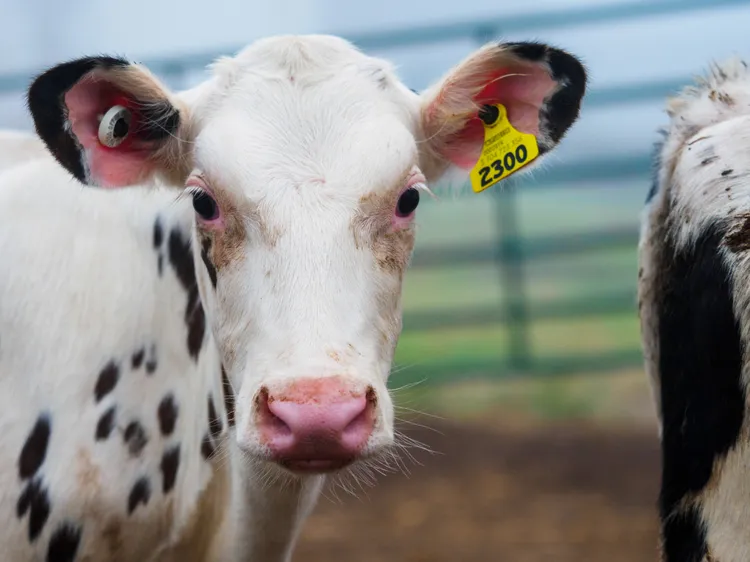
“Any animal with a wound the fly is attracted to” is at risk, Thompson says. In dairy herds, the primary concerns are the navel and umbilical area, along with dehorning and castration wounds. While the threat is currently concentrated in Texas and along the southern border, cattle movement can carry the pest elsewhere. “If you’re getting animals from an infested environment, you should visually check them really carefully,” she advises .
Any break in the skin can provide an entry point—even an unnoticed tick bite or fluids around the vulva after calving. Injection sites are considered less likely to attract the fly because they produce little drainage. Dairy producers already observe animals daily during feeding and milking, making routine wound checks a natural extension of existing practices. Beef operations, where cattle may not be examined daily, face a greater surveillance challenge .
Early Signs and Sample Collection
Early indications can include an unusual smell from a draining wound—the odor resembles an infection because larvae, bacteria and damaged tissue are present. Producers should examine the navel and any sites affected by castration or dehorning every day .
Distinguishing NWS larvae from other maggots visually is difficult. “NWS larvae eat living tissue and most others eat dead tissue, but otherwise, you can’t tell the difference,” Thompson says. “If you see maggots in a wound, get them to your veterinarian” .
The Texas Animal Health Commission recommends using gloves and forceps to collect multiple larvae across different developmental stages—L1, L2 and L3—and placing them in 70% isopropyl alcohol or ethanol for submission to the herd veterinarian, who may forward them to USDA for entomologist identification .
Biosecurity and Preparation
“It’s important for people to know that the fly itself isn’t necessarily moving north. It’s mainly animal movement that moves the flies and the larvae,” Thompson says. Farms purchasing cattle should use quarantine and inspection procedures—a quarantine period of three to four weeks, with a minimum of 21 days—rather than moving newly purchased animals directly into the milking herd .
Producers moving cattle from an infested area should check current USDA requirements and their state’s import and export rules before transport. Thompson’s guidance: “Monitor, report, and prepare. Have a plan in place for if it does happen” .